

When it comes to running PPC for dentists, understanding how your campaigns are performing is crucial. Google Ads offers many opportunities to attract new patients, but without proper tracking and measurement, you won’t know if your investment is paying off. That’s why measuring PPC success through key performance indicators (KPIs) is essential for every dentist looking to maximize their digital marketing efforts.

In this blog post, we’ll explore the KPIs every dentist should track to gauge the effectiveness of their PPC campaigns, ensuring they’re getting the most out of their Google Ads dentist marketing efforts. By focusing on these vital metrics, dentists can refine their campaigns, optimize spending, and ultimately grow their practice.
1.Click-Through Rate (CTR)
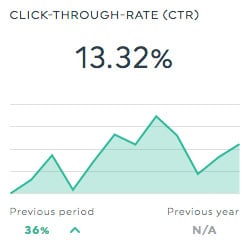
Click-through rate (CTR) is a key performance indicator (KPI) that plays a crucial role in evaluating the success of your Google Ads campaigns for dentists. It reflects the percentage of people who clicked on your ad after seeing it. A higher CTR typically suggests that your ad copy is persuasive and that the keywords you’re targeting are effectively reaching and engaging your intended audience.
Why It Matters for Dentists
In PPC for dental practices, a high CTR means that more potential patients are engaging with your ads. If your ads are well-crafted and aligned with what your patients are searching for (e.g., “best dentist for implants” or “affordable teeth whitening”), you’ll see more clicks, which leads to increased website visits and, hopefully, more consultations.
How to Improve CTR
To improve your CTR, make sure your Google Ads dentist marketing is relevant to your target audience. Use clear, concise ad copy with strong calls to action (e.g., “Schedule your consultation today” or “Call now for a free exam”). Additionally, test various ad formats like call extensions and location extensions to increase the chances of engagement.
2. Cost Per Click (CPC)
Cost per click (CPC) refers to how much you pay each time someone clicks on your PPC ad. It’s a critical metric for managing your budget, as it helps determine how much you’re spending to drive potential patients to your website.
Why It Matters for Dentists
For dentists, especially those operating on tight marketing budgets, tracking CPC is essential for maximizing ROI. By keeping your CPC within an acceptable range, you can avoid overspending on non-converting keywords and ensure your budget is being spent efficiently on high-performing ads.
How to Improve CPC
One way to lower CPC for dentists is by improving your Quality Score. Google uses Quality Score to assess the relevance of your ads, keywords, and landing pages. A higher Quality Score can help lower your CPC because Google rewards ads that provide a good user experience. Make sure your landing page is relevant, loads quickly, and aligns with the keywords you are bidding on.
3. Conversion Rate (CVR)
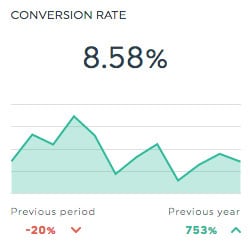
The conversion rate (CVR) is the percentage of visitors to your website who complete a desired action—whether that’s booking an appointment, filling out a contact form, or calling your office. For PPC for dentists, the most important conversion action is often booking an appointment or submitting a form for more information.
Why It Matters for Dentists
Merely attracting traffic to your website isn’t sufficient. If your ads are attracting visitors who don’t convert into patients, your Google Ads for dentists efforts won’t be effective. A high conversion rate indicates that your landing pages are optimized for conversions and that your visitors are finding what they’re looking for.
How to Improve CVR
To improve your conversion rate, ensure that your landing page is clear, relevant, and user-friendly. Include strong calls to action (e.g., “Book Your Appointment Now” or “Call Today for a Free Consultation”) and make it easy for users to contact you. If possible, consider adding patient testimonials or showcasing before-and-after photos to build trust and credibility.
4. Cost Per Acquisition (CPA)
Cost per acquisition (CPA) is a more advanced KPI that calculates how much it costs to acquire a new patient through PPC for dental practices. It takes into account your total spending and the number of new patients generated from your campaigns. This is an important KPI for measuring the overall effectiveness and profitability of your PPC ads.
Why It Matters for Dentists
Tracking CPA helps you understand whether the money you’re spending on Google Ads is generating valuable new patients. A high CPA may indicate that you’re paying too much to acquire new patients, while a low CPA suggests that your campaigns are efficient in converting clicks into actual business.
How to Improve CPA
To reduce your CPA, focus on improving your conversion rate and refining your targeting. Adjust your bidding strategy to prioritize high-converting keywords and locations. If necessary, segment your campaigns to target specific services (e.g., “teeth whitening” or “dental implants”), ensuring you’re bidding on keywords that are most likely to lead to conversions.
5. Impression Share (IS)
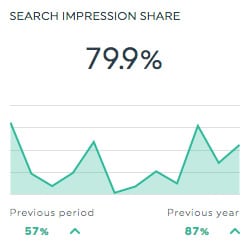
Impression Share (IS) is the percentage of impressions your ads receive out of the total number of impressions they could get. This metric helps you understand how often your ads are shown relative to their potential visibility in the market.
Why It Matters for Dentists
For dentists, Impression Share gives a good indication of whether your ads are being shown frequently enough to capture relevant traffic. If your Impression Share is low, it may indicate that your budget is too small, your bids are too low, or your targeting is too narrow.
How to Improve IS
To improve your Impression Share, you may need to increase your daily budget or adjust your bidding strategy to ensure you’re competitive for the most relevant keywords. It’s also essential to make sure you’re targeting the right geographic areas and demographics to maximize your ad visibility.
6. Return on Investment (ROI)
Return on investment (ROI) is the ultimate KPI for evaluating the success of any PPC for dentists campaign. It measures the return on your advertising spend by comparing the revenue generated from new patients to the cost of your PPC campaigns.
Why It Matters for Dentists
The goal of Google Ads dentist marketing is to generate a positive return. If your PPC campaigns aren’t generating enough revenue to justify the cost, it’s time to reevaluate your strategy. Measuring ROI helps you determine whether your advertising efforts are sustainable and profitable in the long run.
How to Improve ROI
To improve ROI, you’ll need to focus on both reducing costs and increasing revenue. This could involve refining your targeting, optimizing your landing pages, and using ads that attract high-value patients (such as those needing dental implants or cosmetic treatments).
7. Lead Volume and Quality
Lead volume measures how many leads (calls, form submissions, etc.) your PPC campaigns are generating. Lead quality refers to how likely those leads are to convert into paying patients.
Why It Matters for Dentists
In PPC for dental practices, both the quantity and quality of leads are crucial. High lead volume without quality can result in wasted spend, while high-quality leads (e.g., people looking to book a dental implant consultation) are far more likely to convert into patients.
How to Improve Lead Volume and Quality
Refine your ad targeting to focus on patients ready to take action. Use negative keywords to avoid irrelevant traffic, and optimize your ad copy to attract people who are most likely to book an appointment.
Conclusion
Tracking the right KPIs is essential for measuring PPC success and ensuring that your Google Ads for Dentists campaigns are delivering tangible results. By monitoring metrics like click-through rate (CTR), cost per click (CPC), conversion rate (CVR), cost per acquisition (CPA), and return on investment (ROI), you can fine-tune your campaigns and grow your dental practice more effectively.
Investing in Google Ads management for dentists allows you to optimize your PPC campaigns, enhance dentist lead generation, and ultimately convert more clicks into real patients. With the right strategies in place, Google Ads dentist marketing can become one of the most powerful tools in your dental marketing toolkit.