Search behavior has evolved dramatically. Users no longer search using a single keyword and stop at one result. Modern search engines and AI-powered search systems expand a query into multiple related questions, entities, concepts, and intents before generating results. This process is commonly known as Query Fan-Out.
For businesses, publishers, and marketers, understanding how to optimize for Query Fan-Out has become essential for improving visibility, topical authority, and organic traffic. Content that addresses only a single keyword often struggles to compete against comprehensive resources that satisfy multiple user intents simultaneously.
This guide explains what Query Fan-Out is, why it matters for SEO and AI search, and how businesses can optimize content using topic clusters, NLP writing techniques, schema markup, and strategic topic research.
What Is Query Fan-Out?

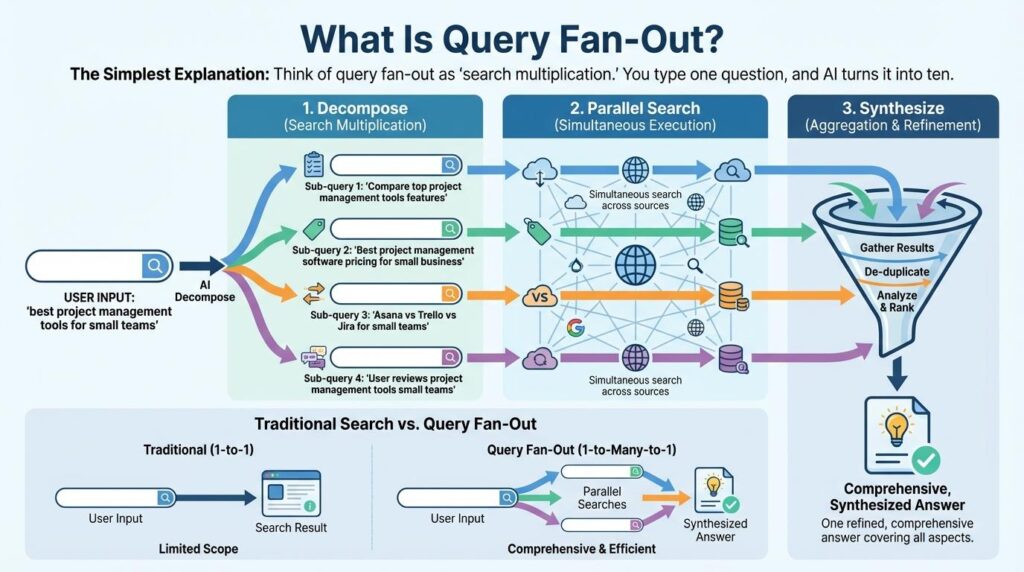
Query Fan-Out is the process where search engines or AI systems expand a user’s original query into multiple related questions, subtopics, entities, and search intents to better understand the information being requested.
For example, a user searching:
“How to optimize content for AI search”
may trigger additional related queries such as:
- What is AI search optimization?
- How does NLP affect content rankings?
- What are topic clusters?
- How does schema markup help AI understand content?
- What content format performs best in AI-generated answers?
Instead of evaluating content for one keyword, search systems evaluate how thoroughly a page covers the broader topic ecosystem.
Why Query Fan-Out Matters for SEO
How Search Engines Evaluate Content Today
Modern search engines increasingly focus on:
- Topical authority
- Semantic relevance
- User intent coverage
- Entity relationships
- Content depth
- Contextual understanding
Rather than rewarding pages that repeatedly use exact-match keywords, search engines reward pages that comprehensively answer the broader topic.
Benefits of Query Fan-Out Optimization
- Increased keyword coverage
- Higher rankings for long-tail searches
- Better visibility in AI-generated answers
- Improved topical authority
- Higher organic traffic potential
- Enhanced user engagement
Understanding the Relationship Between Query Fan-Out and Search Intent
What Search Intent Questions Should Content Answer?
Every major topic contains multiple layers of user intent.
For example, if the primary topic is:
Query: Topic Clusters
Users may also want to know:
Informational Intent
- What are topic clusters?
- Why are topic clusters important?
- How do topic clusters improve SEO?
Comparative Intent
- Topic clusters vs traditional SEO
- Topic clusters vs keyword targeting
Practical Intent
- How do I build topic clusters?
- What tools help create topic clusters?
Advanced Intent
- How do AI systems interpret topic clusters?
- How many cluster pages should a topic contain?
The more of these questions your content addresses, the stronger your Query Fan-Out optimization becomes.
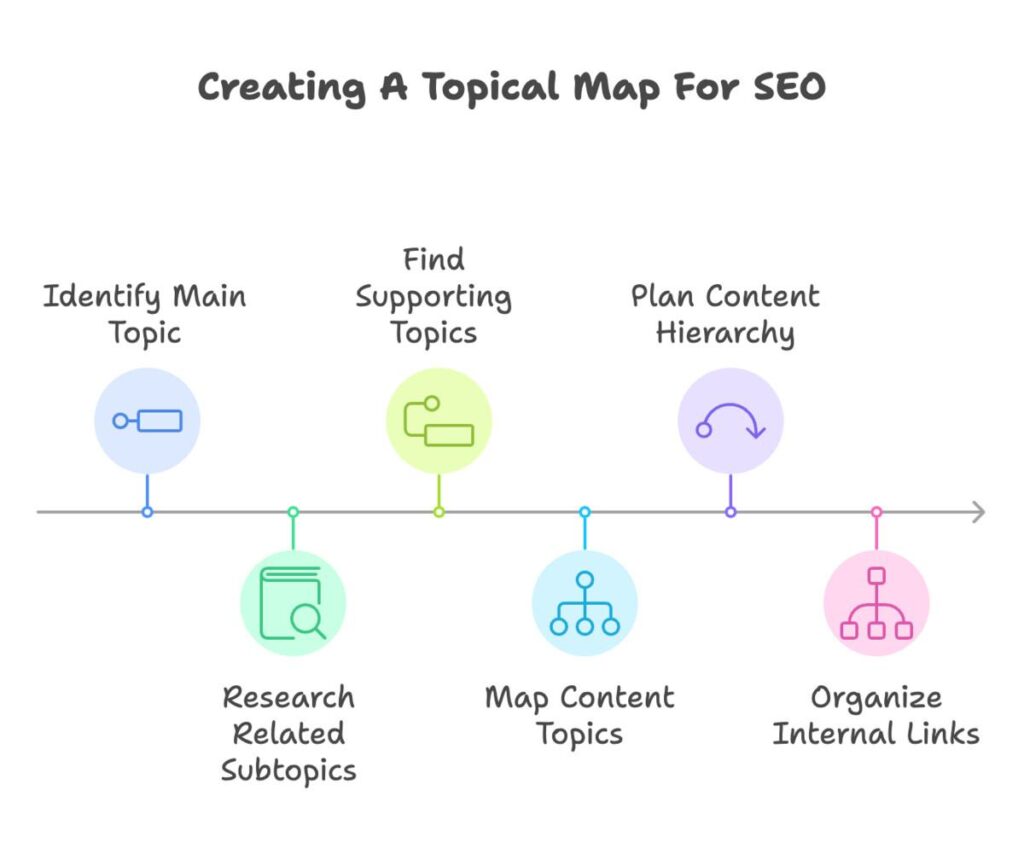
Step 1: Identify Core Topics

What Are Core Topics?
Core topics are broad subject areas that define your expertise and business focus.
Instead of targeting isolated keywords, start with larger themes.
Example for a PPC Agency
Core Topic:
- PPC Management
Related Fan-Out Topics:
- Google Ads
- Microsoft Ads
- Remarketing
- Conversion Tracking
- Landing Page Optimization
- Audience Targeting
- Campaign Automation
Questions to Ask When Identifying Core Topics
Business Questions
- What services do we provide?
- What problems do customers need solved?
- What expertise do we want to be known for?
Audience Questions
- What questions do customers ask repeatedly?
- What information do prospects need before buying?
- What challenges do users face?
Search Questions
- What keywords have strong search demand?
- What related searches appear in Google?
- What People Also Ask questions exist?
Step 2: Plan Topic Clusters

What Are Topic Clusters?
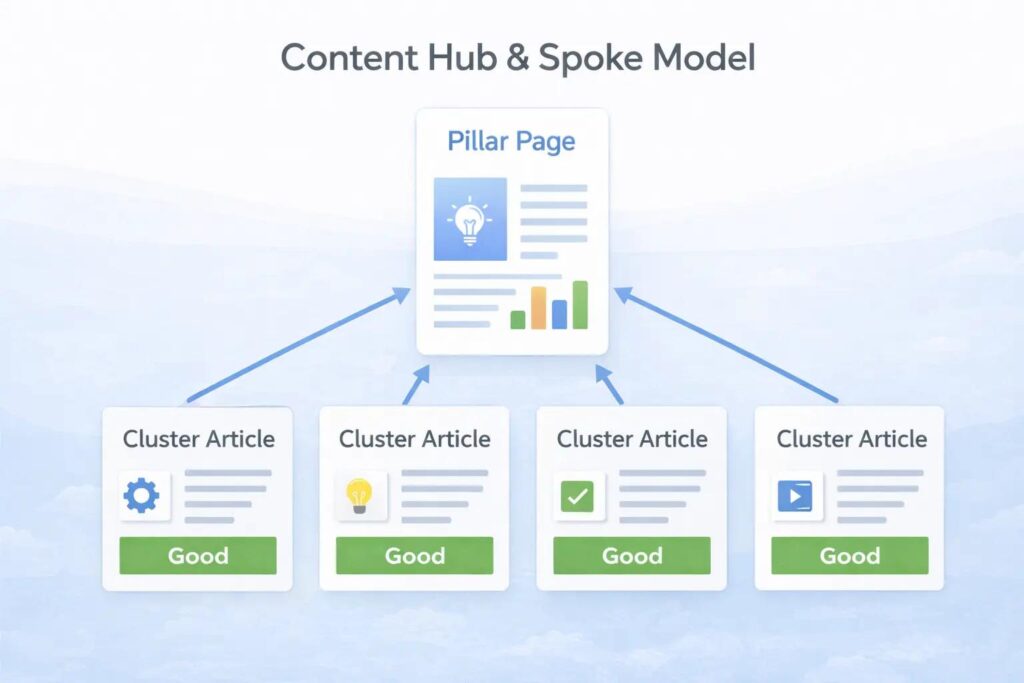
Topic clusters organize content around a central pillar page supported by multiple related articles.
Structure Example
Pillar Page:
PPC Management Services
Supporting Cluster Pages:
- Google Ads Optimization Guide
- Keyword Match Types Explained
- Audience Targeting Best Practices
- Landing Page Optimization
- Conversion Tracking Setup
- Quality Score Improvement Strategies
This structure helps search engines understand topical relationships.
Why Topic Clusters Improve Query Fan-Out
Each cluster article answers a different set of user questions.
Collectively they cover:
- Definitions
- Strategies
- Tutorials
- Comparisons
- Best practices
- Industry trends
As coverage expands, search engines gain stronger confidence in your expertise.
Topic Cluster Planning Framework
Cluster Research Questions
Beginner Questions
- What is the topic?
- Why is it important?
Intermediate Questions
- How does it work?
- What are best practices?
Advanced Questions
- What mistakes should be avoided?
- What advanced techniques improve results?
Strategic Questions
- How does it impact business performance?
- What ROI can be expected?
Step 3: Create Helpful, Comprehensive Content
What Makes Content Truly Comprehensive?
Comprehensive content goes beyond surface-level explanations.
It answers:
- What?
- Why?
- How?
- When?
- Where?
- Who?
- What happens next?
Example Content Expansion
Instead of writing:
“What Is Schema Markup?”
Expand into:
What Is Schema Markup?
Why Does Schema Matter?
How Search Engines Use Schema
How AI Systems Use Structured Data
Types of Schema Markup
Common Schema Implementation Mistakes
How to Test Schema
Schema Tools to Use
This creates stronger topic coverage.
Challenges of Creating Comprehensive Content
Challenge 1: Depth vs Readability
Long-form content can improve coverage but may overwhelm readers.
Tradeoff
More Detail:
- Better topic authority
- Better AI understanding
Less Detail:
- Easier reading experience
- Faster content consumption
The optimal approach balances depth with clear formatting.
Challenge 2: Breadth vs Focus
Covering too many subtopics can dilute relevance.
Tradeoff
Broad Coverage:
- More keyword opportunities
Focused Coverage:
- Stronger topical relevance
The best strategy is to stay tightly aligned with the primary topic while addressing relevant fan-out questions.
Step 4: Use Topic Research Tools
Why Topic Research Matters
Many businesses create content based on assumptions rather than actual user demand.
Topic research reveals:
- Related searches
- User questions
- Emerging trends
- Content gaps
Recommended Topic Research Tools
Google Search
Useful for:
- People Also Ask
- Related Searches
- Autocomplete suggestions
Google Trends
Useful for:
- Trending topics
- Seasonal interest
- Emerging queries
AnswerThePublic
Useful for:
- Question-based research
- Long-tail keyword discovery
Semrush
Useful for:
- Topic research
- Competitor analysis
- Content gap analysis
Ahrefs
Useful for:
- Keyword clustering
- SERP analysis
- Topic exploration
Step 5: Write for NLP (Natural Language Processing)
Why NLP Matters
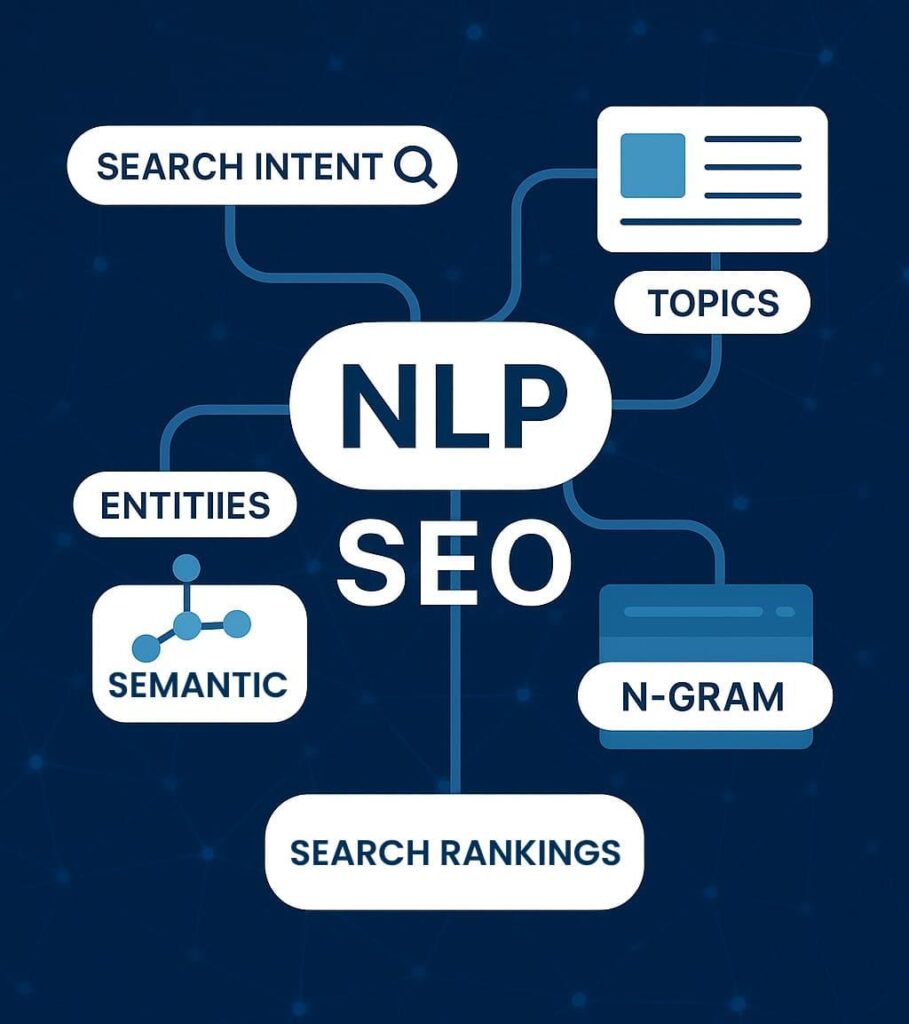
Search engines increasingly use Natural Language Processing (NLP) to understand content context.
NLP helps systems identify:
- Topics
- Entities
- Relationships
- Intent
- Sentiment
- Context
NLP Optimization Best Practices

Use Natural Language
Avoid keyword stuffing.
Instead of:
“Best PPC agency PPC management PPC services”
Use:
“Our PPC management services help businesses improve advertising performance and generate qualified leads.”
Include Related Entities
For PPC content:
Relevant entities include:
- Google Ads
- Conversion Tracking
- Quality Score
- CPC
- CPA
- ROAS
This helps search engines understand context.
Answer Questions Directly
AI search systems often extract concise answers.
Example:
What is Query Fan-Out?
Query Fan-Out is the process of expanding a user query into multiple related questions and topics to improve search understanding and result relevance.
Direct answers increase featured snippet opportunities.
Step 6: Use Schema Markup
What Is Schema Markup?
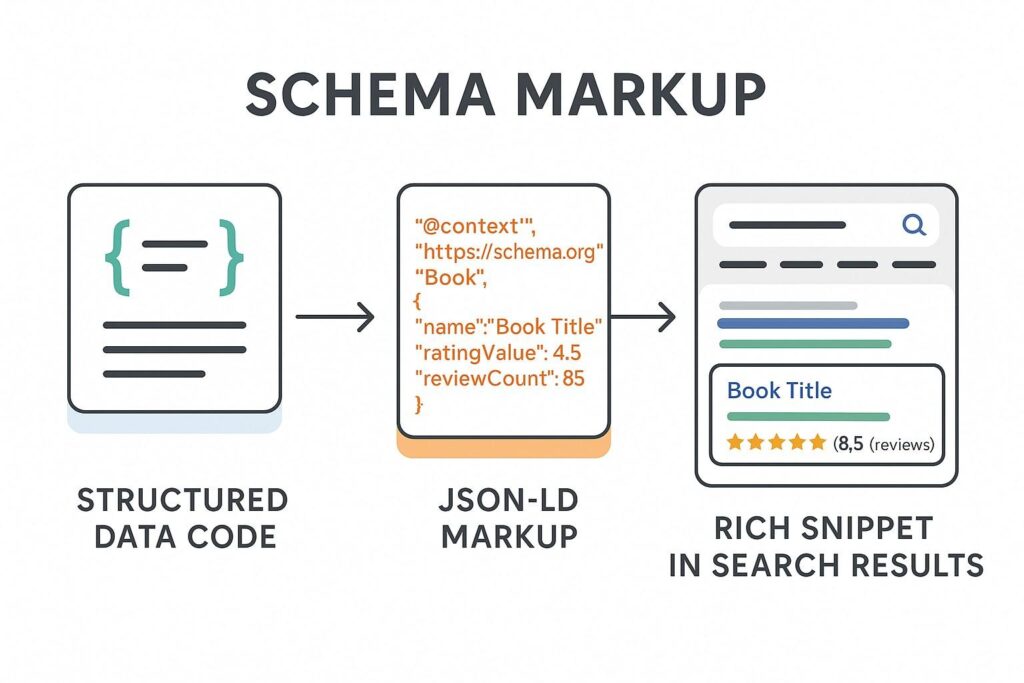
Schema markup is structured data that helps search engines better understand page content.
It provides explicit information about:
- Articles
- Organizations
- Products
- Services
- FAQs
- Reviews
Benefits of Schema for Query Fan-Out
Schema helps search engines:
- Understand content relationships
- Identify entities
- Recognize page purpose
- Improve indexing efficiency
This improves the likelihood of appearing in rich results and AI-generated summaries.
Important Schema Types
Article Schema
For blog posts and educational content.
FAQ Schema
For question-and-answer sections.
Organization Schema
For company information.
Service Schema
For service pages.
Breadcrumb Schema
For website structure clarity.
How PointTeck PPC Agency Helps Optimize for Query Fan-Out
Strategic Topic Research
PointTeck PPC Agency begins by identifying high-value topics aligned with business objectives and customer search behavior.
This process includes:
- Audience analysis
- Competitor research
- Search intent mapping
- Content opportunity discovery
Topic Cluster Development
The team develops structured topic clusters that strengthen topical authority and improve search visibility.
Services include:
- Pillar page planning
- Supporting content architecture
- Internal linking strategy
- Content gap analysis
NLP-Focused Content Optimization
PointTeck PPC Agency optimizes content for modern search engines and AI systems by:
- Improving semantic relevance
- Expanding entity coverage
- Aligning content with user intent
- Enhancing readability
Structured Data Implementation
The agency helps businesses implement schema markup to improve search engine understanding and support rich search features.
Supported schema types include:
- Organization Schema
- Service Schema
- Article Schema
- FAQ Schema
- Local Business Schema
Performance Measurement
Optimization does not end after publication.
PointTeck PPC Agency continuously monitors:
- Organic rankings
- Traffic growth
- Search visibility
- User engagement metrics
- Conversion performance
This ongoing process ensures content remains competitive as search behavior evolves.
Common Mistakes to Avoid
Creating Content Around Single Keywords
Modern SEO requires topic coverage rather than isolated keyword targeting.
Ignoring Search Intent
Ranking opportunities are lost when content fails to address actual user needs.
Weak Internal Linking
Poor internal linking limits topical authority signals.
Overusing Keywords
Keyword stuffing reduces content quality and user experience.
Skipping Schema Markup
Structured data helps search engines interpret content more accurately.
The Future of Query Fan-Out Optimization
As AI-powered search experiences continue to evolve, content success will increasingly depend on comprehensive topic coverage rather than keyword density.
Businesses that invest in:
- Topic clusters
- Semantic SEO
- NLP optimization
- Structured data
- User-focused content
will be better positioned to earn visibility across both traditional search results and AI-generated responses.
Conclusion
Optimizing for Query Fan-Out requires a shift from keyword-focused SEO toward comprehensive topic coverage. By identifying core topics, building strategic topic clusters, creating helpful content, leveraging topic research tools, writing for NLP, and implementing schema markup, businesses can significantly improve their ability to rank for a wider range of related searches.
The most effective approach balances depth, relevance, readability, and technical optimization. Organizations that embrace these principles will not only improve search rankings but also establish stronger topical authority and better serve the evolving needs of users and AI-driven search systems.
For businesses looking to accelerate this process, PointTeck PPC Agency provides the expertise, research, content strategy, and technical implementation needed to optimize content for Query Fan-Out and achieve sustainable organic growth.